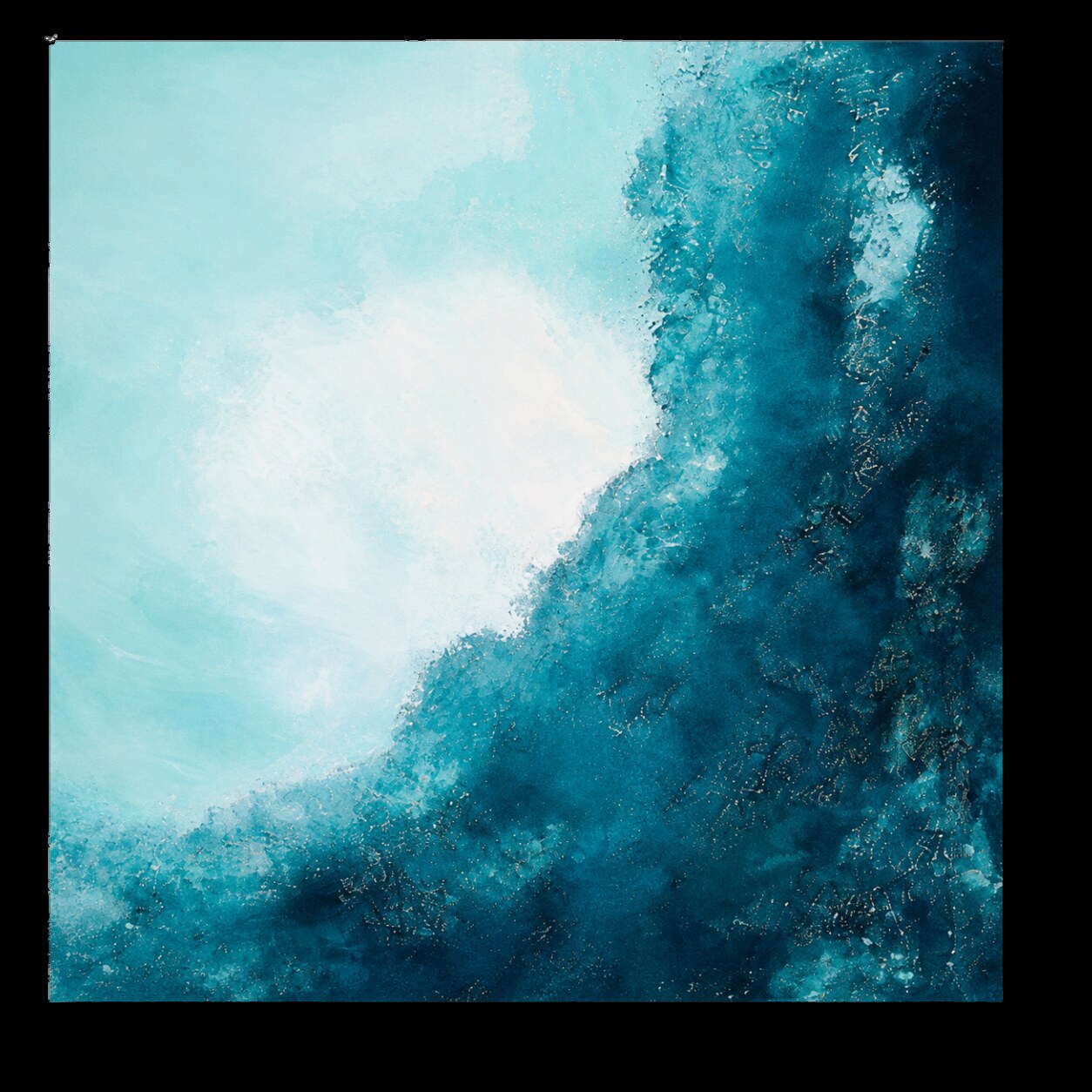
How much does an original painting cost? Search for it and you will find everything from a few notes at a weekend market to auction records that make the news. Both are real, and neither helps much when you are standing in front of a bare wall in your own home. This guide won’t hand you a price list, because no honest list can put a figure on a piece you haven’t yet seen on your wall. What it will do is explain what actually sits behind the pricing of an original: the size, the medium, the hours, the artist and everything else that makes a one-of-a-kind painting worth what it is.
Why there is no single answer to the cost of an original painting
A one-off artwork isn’t priced like a sofa from a catalogue. Two canvases of the same size can sit in completely different worlds, depending on who painted them, how long it took and whether the work already exists or is made for you. The price of art is part craft, part judgement, and the art market is anything but uniform; many artists will tell you it is the hardest part of the job.
So the more useful question is not only what an original painting costs, but what you get in return, and whether it is a fair price for that. Original artwork isn’t something you replace every few seasons. It is a piece you take with you to your next home.
What goes into pricing an original painting
1. Size
The most visible factor. Every extra centimetre of canvas has to be prepared, painted and left to dry. Many artists start from size, and some use a simple square inch formula, but pricing rarely grows in a straight line, even depending on size alone: a large painting needs more material, wider gestures and far more control so the composition breathes from edge to edge. Adriana Fernández regularly paints formats up to 2 metres wide, and larger on commission. If you are still deciding on scale, her large abstract paintings are a good place to start.
2. Medium and materials
A flat surface and a painting with body are not the same piece of work. Oil and acrylic behave differently: oil paintings take a long time to dry; acrylic dries faster, but once you build up matter, relief and asphalt paint, every layer still needs its time before the next. The materials cost is only a small part of it. In the Mediterranean Collection 2026, Adriana works in acrylic with textured matter; in Silencio de Horizonte, the textures are covered with acrylic glazes that let the light through. You can see more of this language in textured paintings and matter painting.
3. The hours to complete it
An original is not painted in one sitting. Some marks happen in minutes; some layers mean waiting days before going on. That time is invisible in a photograph, yet it is part of the value of the work: it is the difference between texture that looks applied and a surface that has been built up slowly.
4. The artist and her body of work
When you buy original artwork you are not paying for paint and canvas, you are paying for a way of seeing. Adriana’s abstract paintings are organic rather than geometric, inspired by the landscape, the Mediterranean sea and silence, and every one of them is painted in her studio in Ibiza town. More about her in art from Ibiza.
5. A commission or a work that already exists
An available painting is bought as it is. A commissioned painting adds another layer: looking at your room, adjusting the size, palette and composition to it, and painting it from scratch for you. That is why a commission is always discussed case by case.
6. Signature and certificate of authenticity
Every work is signed and comes with a certificate of authenticity. It marks the line between something pretty and an original piece with an author: there is one, and it is yours.
7. Stretcher, painted edges and finish
The works arrive on a wooden stretcher, ready to hang, and the paint and texture continue around the edges, so no frame is needed. That finish is part of the painting, not an extra you add later.
8. Packaging and delivery
A large piece with relief doesn’t travel rolled in a tube. Delivery across Spain is done with professional packaging, so the artwork arrives the way it left the studio.
Hand-painted in series vs an original work by the artist
Plenty of canvases sold as “hand-painted” are, in fact, the same design copied over and over, by different hands, in whatever colours are selling that season. They aren’t prints, but they aren’t one-of-a-kind either. When you compare prices, you are comparing things that have little in common:
- Hand-painted in series: one design made to be sold many times, with no artist’s signature or certificate. It fills the wall, and it hangs in other homes too.
- Original art by the artist: a composition that exists on no other wall, with matter you can touch, a signature and a certificate.
This is the part that can’t be printed. A photo flattens texture, so two pieces can look alike on screen and feel entirely different in your living room, once raking light crosses the surface and the painting changes through the day. A print can be lovely, but it is a copy; with an original, the surface itself is the work. More in original abstract art.
Gallery, art fair or straight from the artist?
Where you buy also shapes the pricing. Gallery prices include the space, the team and the gallery’s commission; an art fair has its own costs. These are perfectly good ways of buying fine art, but they can feel intimidating if you don’t think of yourself as part of the art world. Buying directly from the artist removes the middlemen: you know who painted it, how it was made, and you can ask her anything, in English, by WhatsApp or email. If you are weighing up where to buy, see buying original art in Spain.
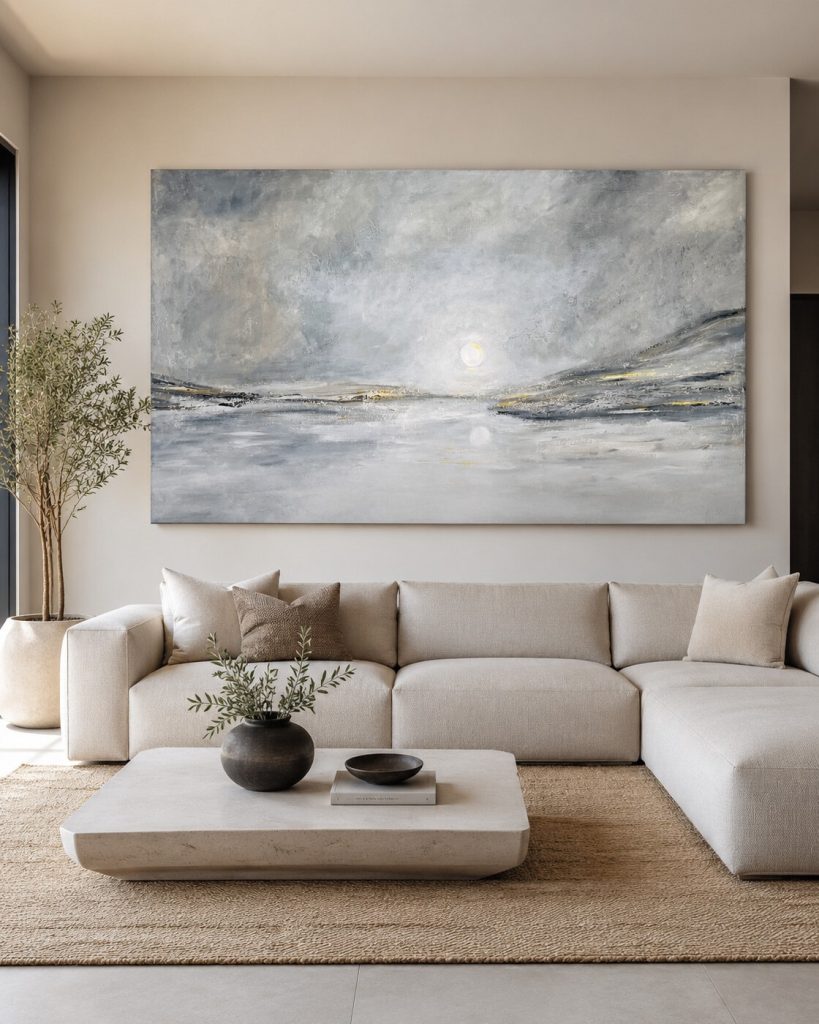 Silencio de Horizonte160 × 80 cmTextures with acrylic glazesPrice on requestAsk about this piece →
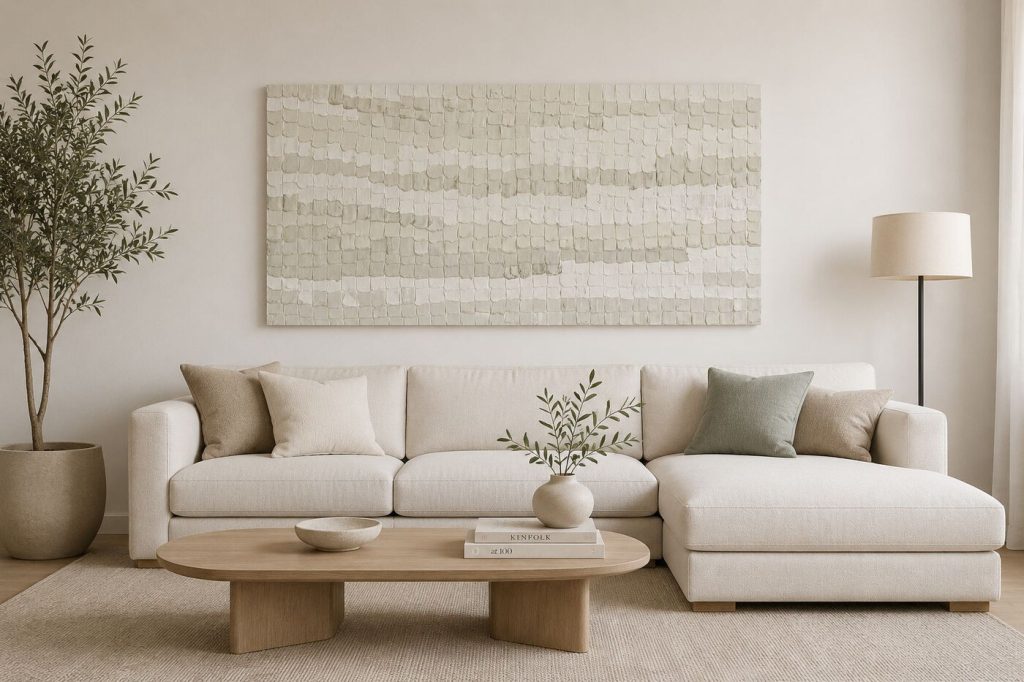 Materia Serena140 × 70 cmPaint and texture on canvasPrice on requestAsk about this piece →
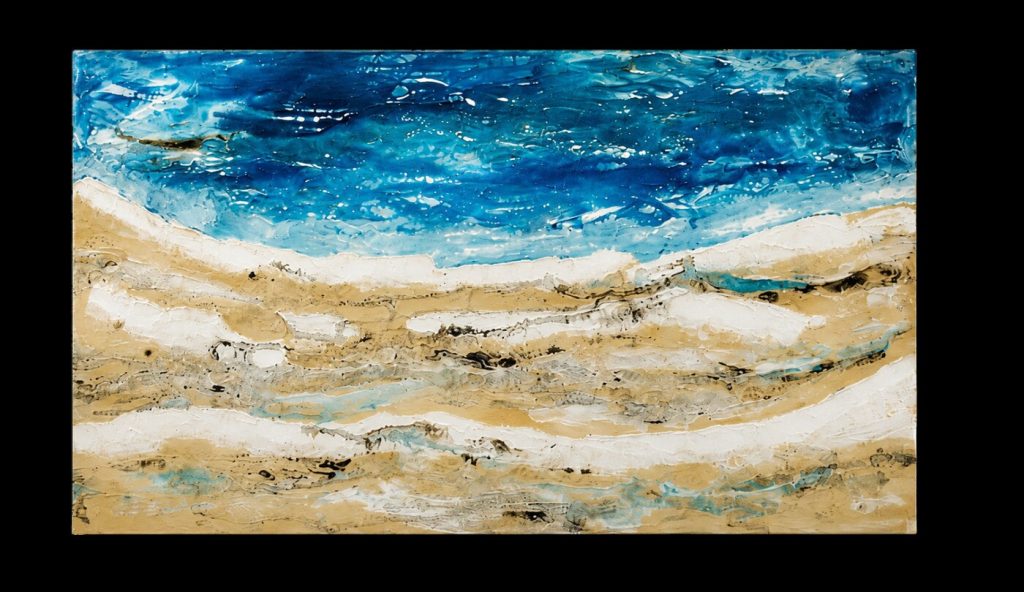 Límites130 × 75 cmPaint, texture and asphalt paint on canvasPrice on requestAsk about this piece →
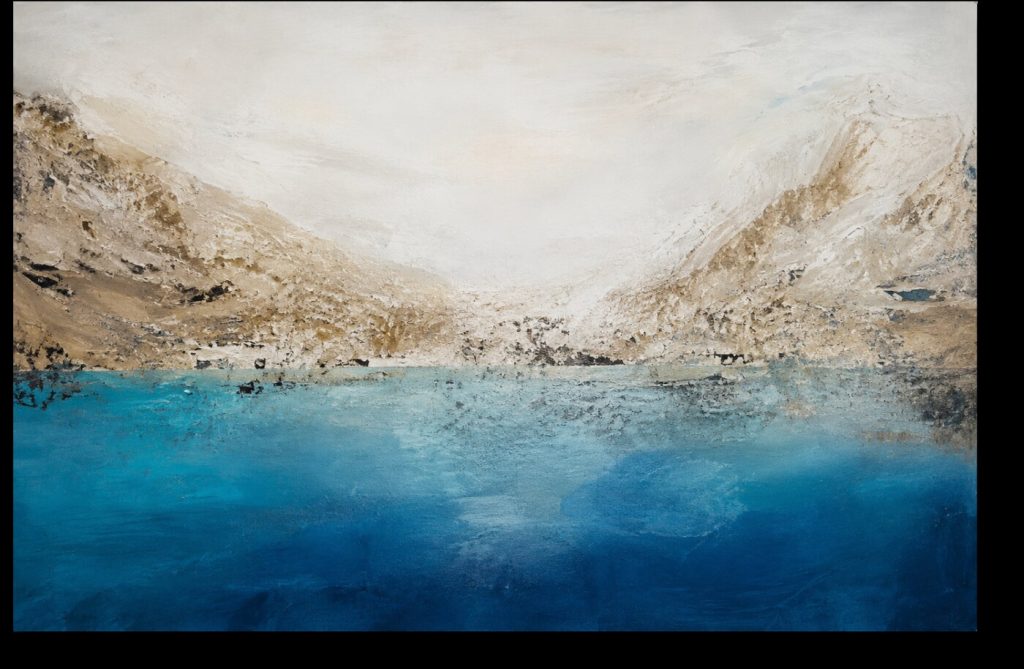 Horizontes130 × 75 cmPaint, texture and asphalt paint on canvasPrice on requestAsk about this piece →
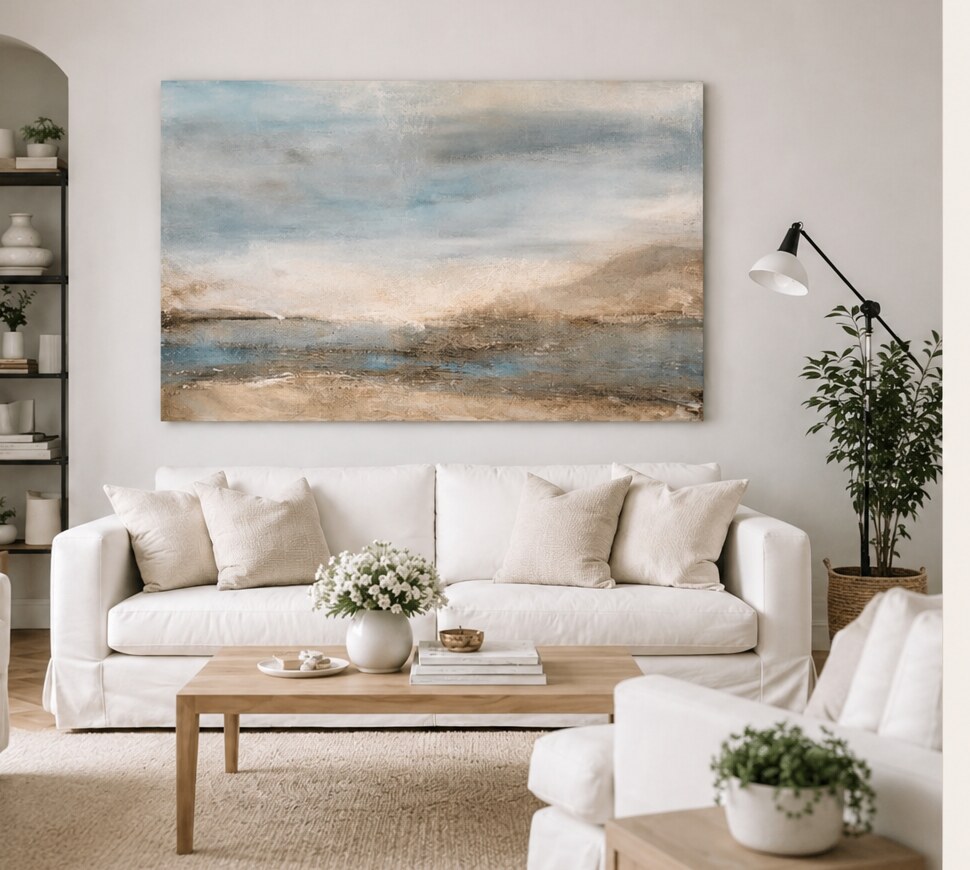 Horizonte en Calma120 × 90 cmAcrylic and textured matterPrice on requestAsk about this piece →
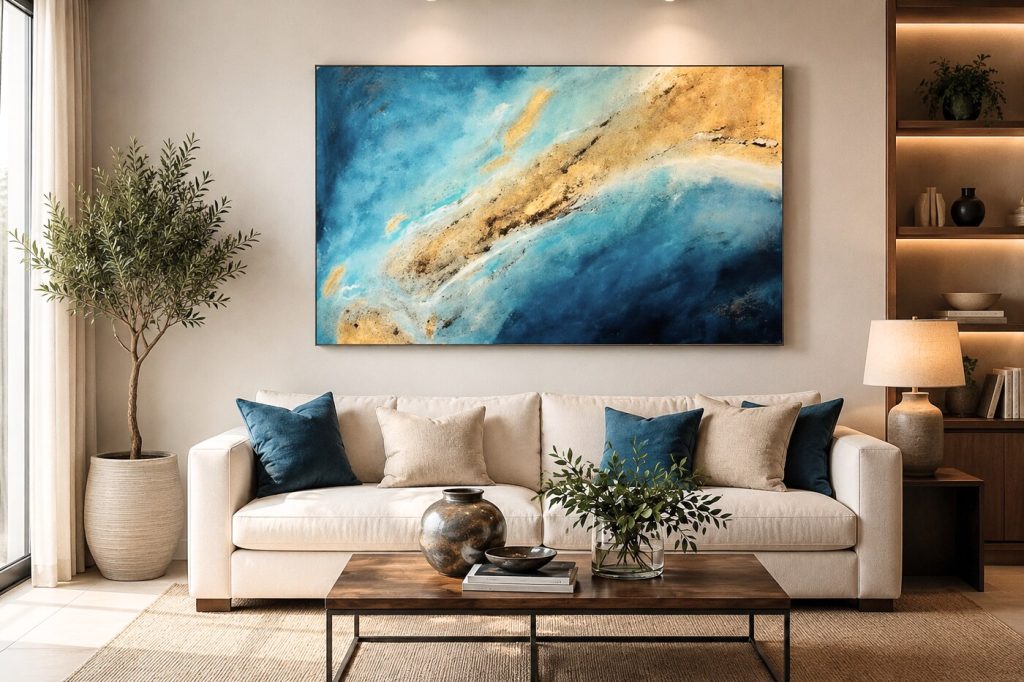 Geografía del Alma139 × 90 cmTextured paint on canvasPrice on requestAsk about this piece →
How to think about the value of an original
Value, they say, is in the eye of the beholder, and with art that is largely true. A statement piece above the sofa or the bed isn’t a seasonal purchase: it doesn’t go out of fashion because it never followed one, and it won’t be repeated in the house next door. What you can expect to get is daily presence, calm, and a wall that finally says something.
We won’t promise that a painting will rise in value. Nobody can honestly promise that, and it isn’t the reason to choose one. The reason is how a specific painting makes you feel in your own space, every day.
Why it pays to get advice before choosing the size
The costliest mistake is not paying too much, it is choosing the wrong size. A work that is too small gets lost on the wall and leaves you buying a second one; one that is too large may cost more than your space ever needed. Getting the scale right from the start is the most sensible way to spend neither too much nor too little.
That is why the first step costs nothing: you send a photo of your wall and Adriana looks at the light, the tones, the furniture and the scale. Then you receive a free simulation of the painting on your own wall, before you decide anything.
How to find out the price of a specific painting or a commission before you buy original art
Prices aren’t published on the website because every case is different: an available work, a commission, an extra-large format. The simplest way is to write to the artist. Tell her which piece you like or which room you want to dress, and she will reply personally within 24 hours, with no middlemen and in English. If you decide to go ahead, payment is by Bizum or bank transfer.
Choosing one painting this way, you know exactly what it costs, why, and how it will look in your home before it arrives.